Overview

Commercial Telephone Systems initially hired another company to develop their website but were dissatisfied with the outcome. They approached me to design a new website that better reflected their vision and business needs.

Challenge

Beyond the technical requirements of redesigning the site, I needed to rebuild the client’s confidence in the design process. The previous failed project had left them wary, making stakeholder alignment and trust-building as critical as the design work itself. Additionally, I needed to understand their lead generation workflow to ensure the new site would function as an effective business tool, not just look better.

Solution

I began with a discovery phase, gathering inspiration sites from the client and conducting research into their lead processing systems and customer journey. Through collaborative discussions, I identified their core needs: clear service offerings, streamlined contact pathways, and a professional presence that reflected their technical capabilities. The resulting design exceeded their expectations by balancing visual appeal with functional lead generation, ultimately restoring their confidence in digital design.

TOOLS

  • Figma
  • Wayback Machine
  • Illustrator
  • Photoshop
  • WordPress
  • Divi

Industry

  • Telecom
  • Networking
  • Tech Support

Design research

I conducted competitive research across the telecommunications and network services industry, analyzing how similar companies structured their sites, presented technical services, and guided prospects through the sales funnel.

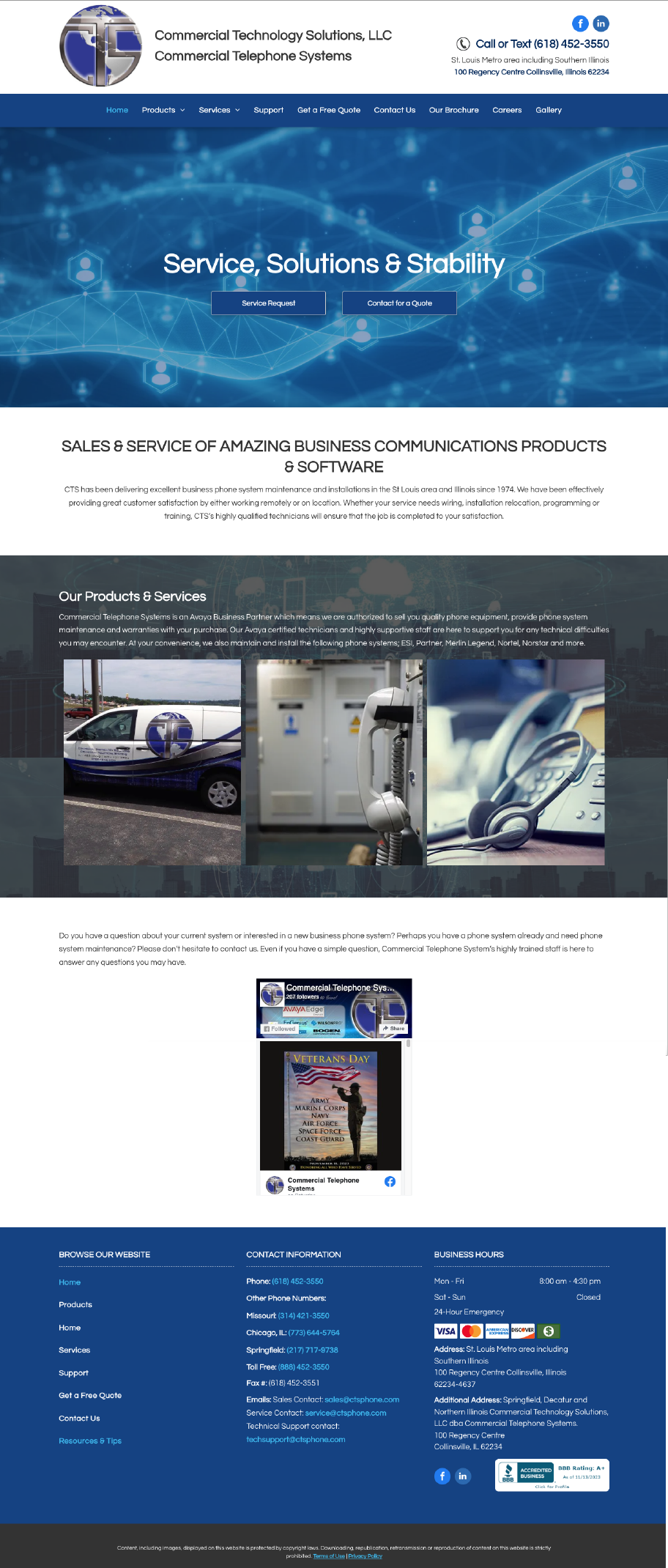
Original Landing page

The original landing page, which I recovered using the Wayback Machine, was clunky and slow, creating a sense of cognitive overload due to excessive text. The images were outdated and inconsistently sized, making the layout feel disjointed. By reviewing the previous design, I was able to understand the challenges the original designer faced and gain valuable insights to improve upon their work.
 

First developer’s design

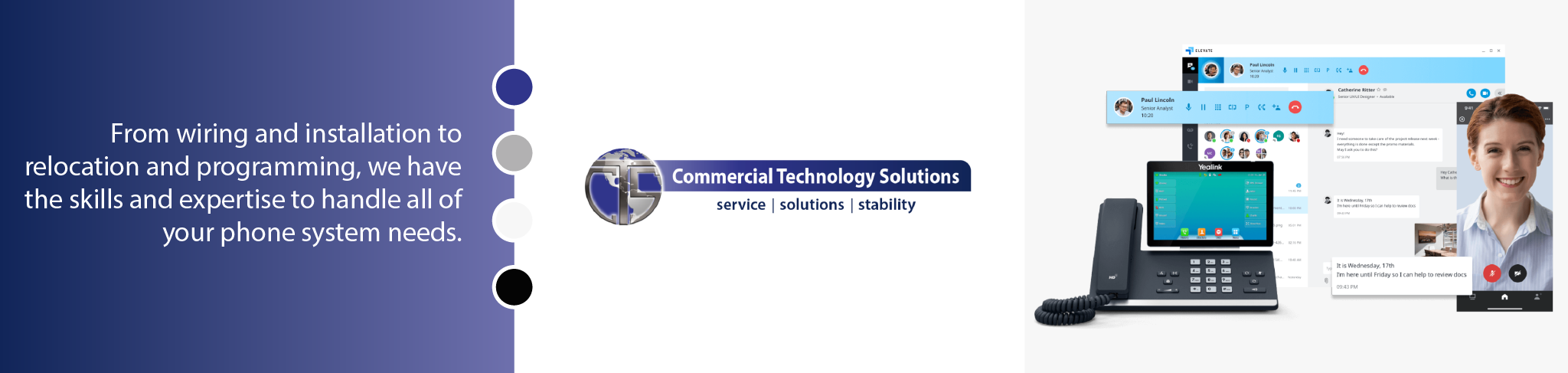
Although the design had improved, it still didn’t meet the customer’s expectations based on their feedback. Changes weren’t being implemented because they were limited by the constraints of the chosen CMS platform. When I reviewed the site, I identified the elements that worked well and removed those that weren’t necessary, streamlining the design to better align with the client’s vision.


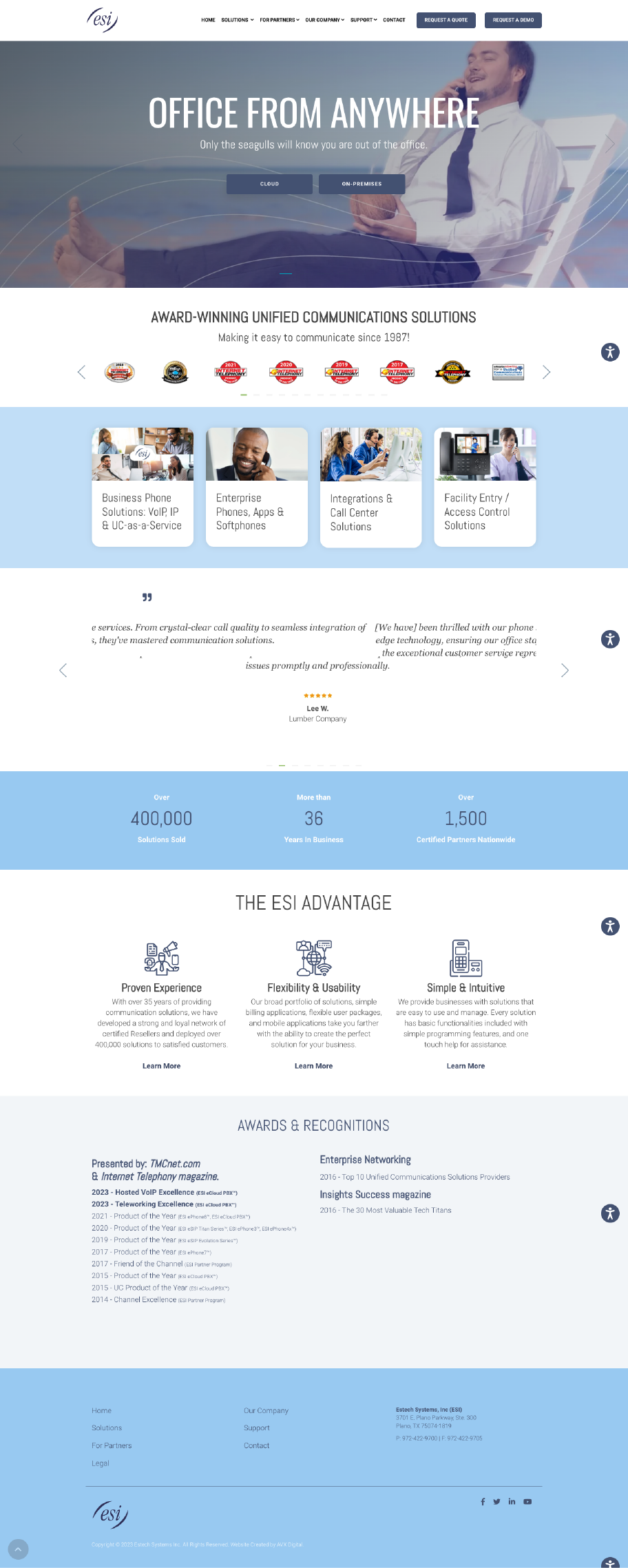
Client’s inspiration

The client was keen to follow a design similar to ESI’s website, but with their own content. To ensure we captured the right look and feel, I studied ESI’s design and created Figma mockups for a few key pages. This allowed us to make adjustments and gather feedback before moving into development, ensuring a smoother process.


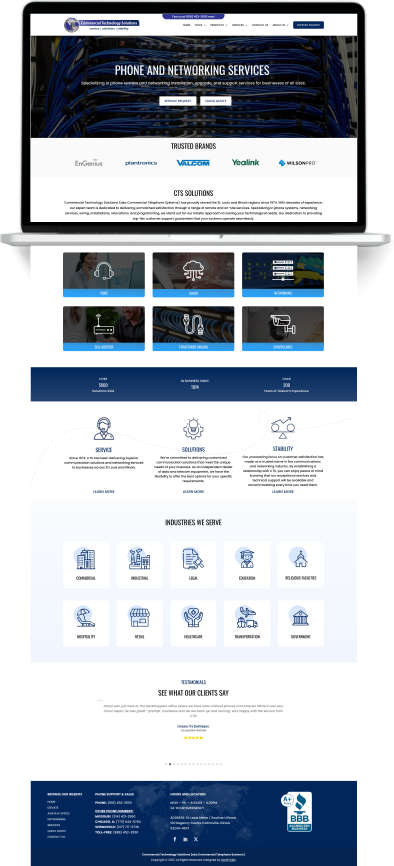
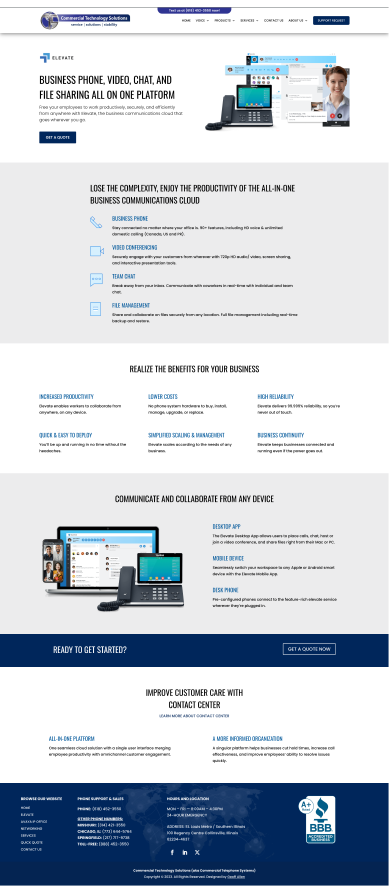
Launched product

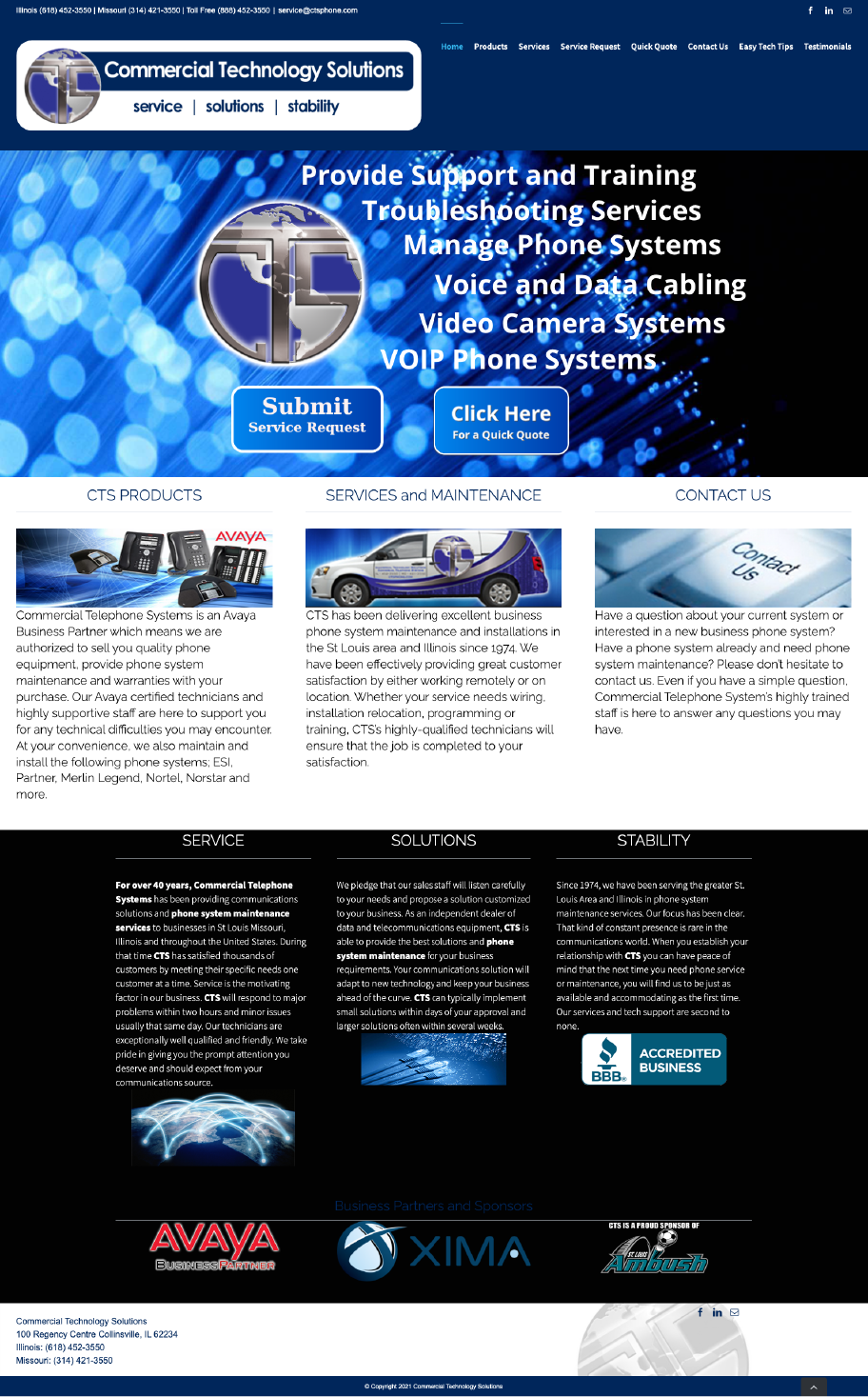
The redesigned website successfully restored the client’s confidence in digital design while delivering a lead generation platform that better represented their telecommunications expertise and streamlined their customer acquisition process.

Moving forward

Future iterations

When building the site, I relied on second-hand information provided by the client, as no user testing or data was available to determine user needs. Additionally, the site lacked existing analytics to inform decisions, and the client’s immediate priority was to address pressing issues with their site. To lay the groundwork for future improvements, I implemented Google Analytics and a heatmap to track user behavior and gather actionable insights. While I am eager to assist the client with updates based on this first-hand data, incorporating such changes was beyond their current budget at the time.

Learnings

One key lesson I learned from this project is the importance of minimizing maintenance requirements for sites that list specific products, especially when those products can quickly become outdated. Without a dedicated person to keep the site updated, there’s a risk that outdated products may remain listed, creating confusion for users and diminishing the site’s credibility. Moving forward, I prioritize discussing site management plans with clients, specifically identifying who will be responsible for maintaining product listings. This ensures the site stays relevant and accurate over time, even as products go out of circulation.