
Research
I use research to
shape what gets built.
At RevWork, user interviews and usability sessions helped uncover where learners struggled during onboarding. Those findings shaped guided flows that put essential feature discovery first.
At CSI Pharmacy, interviews, stakeholder workshops, and workflow mapping grounded the CRM in how Sales and Operations actually work. I use research to challenge assumptions and turn complex requirements into practical design decisions.
Research highlights
User interviews
Ran interviews and usability sessions at RevWork to understand onboarding and feature discovery.
Workflow discovery
Mapped sales and operations workflows at CSI Pharmacy to shape a purpose-built CRM.
Multiple perspectives
Researched the needs of residents, businesses, and city officials for Herculaneum’s website.
Validation
Used prototypes, usability testing, accessibility reviews, and analytics to refine experiences.
How I research
Research runs throughout the work, from understanding people and context to testing ideas and informing product decisions.
- 1
Clarify
Define what we need to learn and which decisions research should support.
- Identify user needs and team assumptions
- Focus on the questions that matter most
- 2
Learn
Choose methods that fit the question, context, and constraints.
- Interview users and stakeholders
- Observe workflows and test prototypes
- 3
Synthesize
Turn findings into patterns the team can understand and act on.
- Map pain points and recurring needs
- Connect evidence to design opportunities
- 4
Apply
Use evidence to shape priorities, flows, and the next iteration.
- Translate findings into product decisions
- Validate changes and keep refining
What my research work includes
My research work spans discovery and validation, depending on the decision at hand.
- Discovery: user interviews, stakeholder workshops, and workflow mapping
- Synthesis: connecting pain points, user needs, and business requirements
- Validation: prototype testing and task-based usability sessions
- Evaluation: accessibility audits, competitive research, and analytics review
- Established guidance: Baymard and Nielsen Norman Group research
I choose methods around what we need to learn, rather than treating research as a checklist.
Research in service of design and collaboration
Research matters when it changes what the team does. I use findings to shape navigation, user flows, interaction patterns, and priorities—not just to document what people said.
For Herculaneum, research with residents, businesses, and city officials shaped a municipal website around service needs such as utility payments, permits, and emergency information. At CSI Pharmacy, understanding the daily work of reps and leaders helped organize accounts, territories, and reporting into a shared experience.
When research makes the biggest impact
I am most effective when research is used to:
- Bring clarity to complex or unfamiliar workflows
- Align stakeholders around real user needs
- Inform navigation and structure before detailed design
- Reduce friction in onboarding and essential tasks
- Validate that accessible experiences work in practice
In these environments, evidence helps the team make a better-informed decision and keep moving.
“He brings the audience along by explaining who the member is, the problem we’re solving, and how success is measured.”
Case studies
How research informed product direction, onboarding, and service design under real constraints.
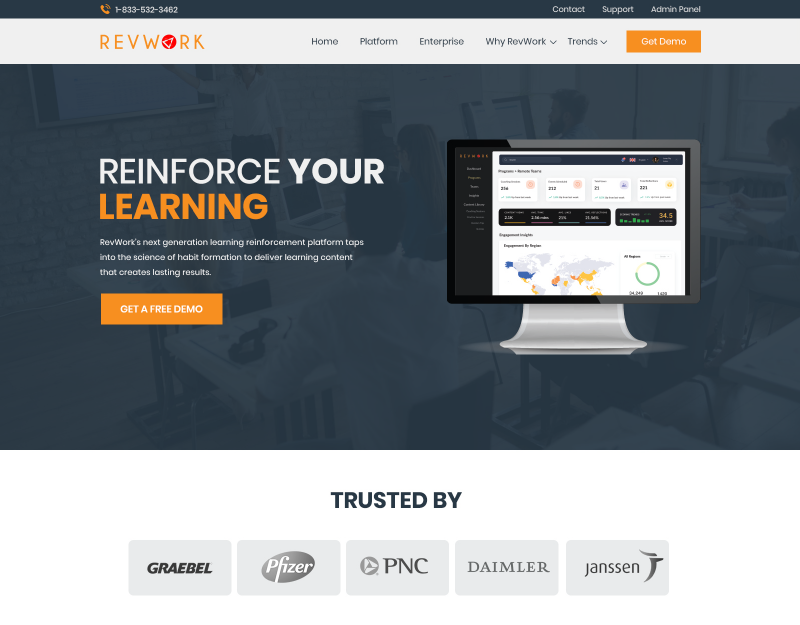
01 · RevWork · SaaS / LMS
Onboarding that keeps learners
View case study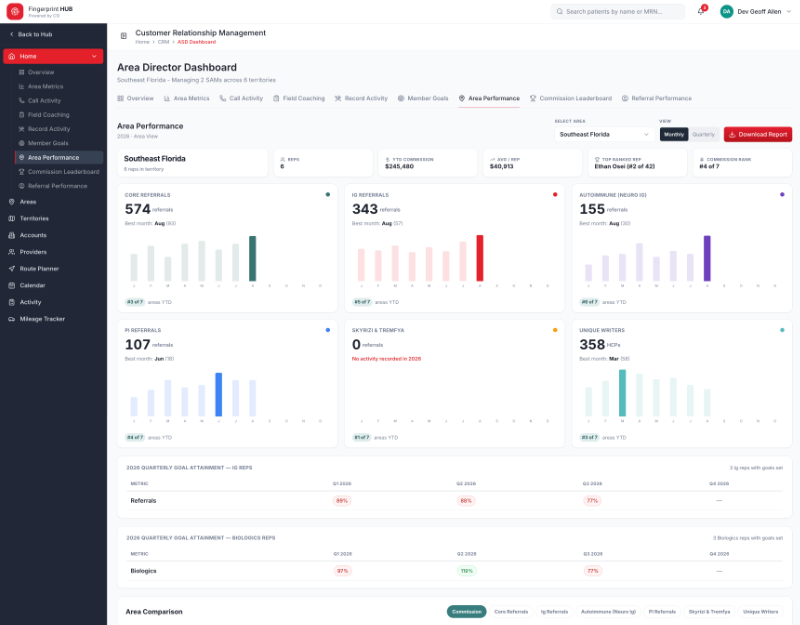
02 · CSI Pharmacy · Healthcare
One CRM for a field sales team
View case study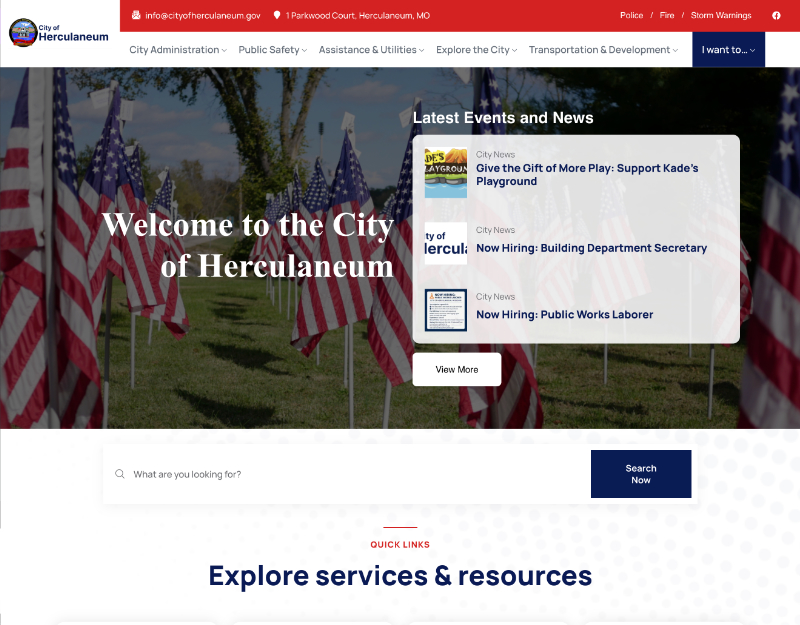
03 · City of Herculaneum · Government
Three city websites, one .gov
View case study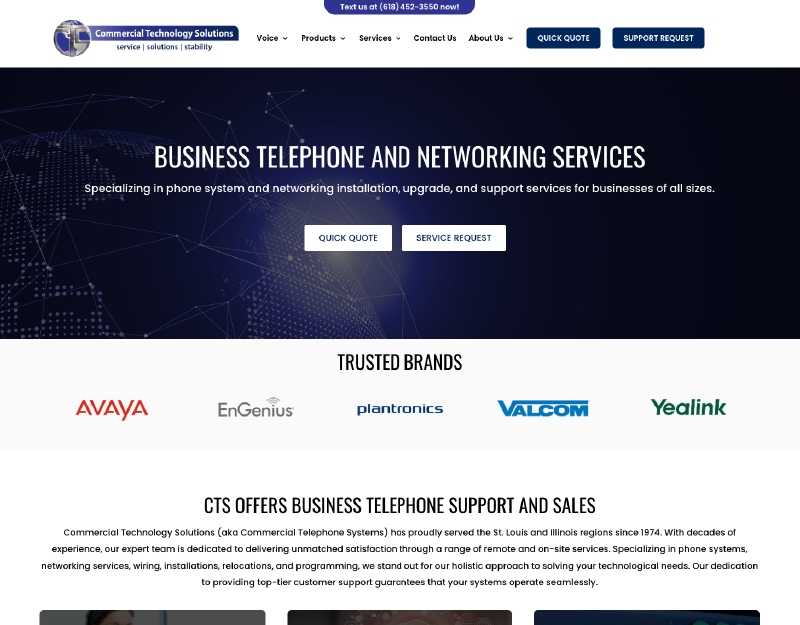
04 · Commercial Telephone Systems · Telecom
Rebuilding a client's trust in design
View case study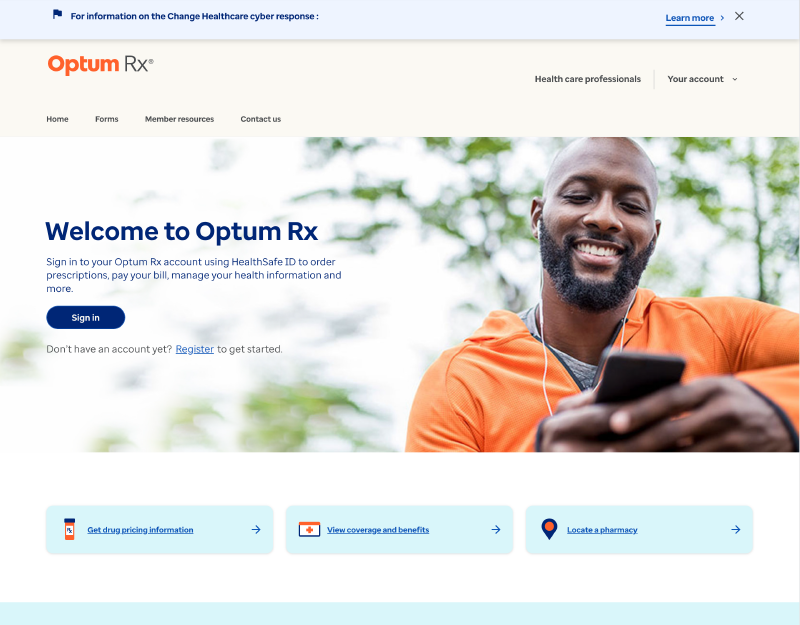
05 · Optum · Pharmacy Benefits